
Hidden Benefits of Ashwagandha and Shatavari for Female Wellness
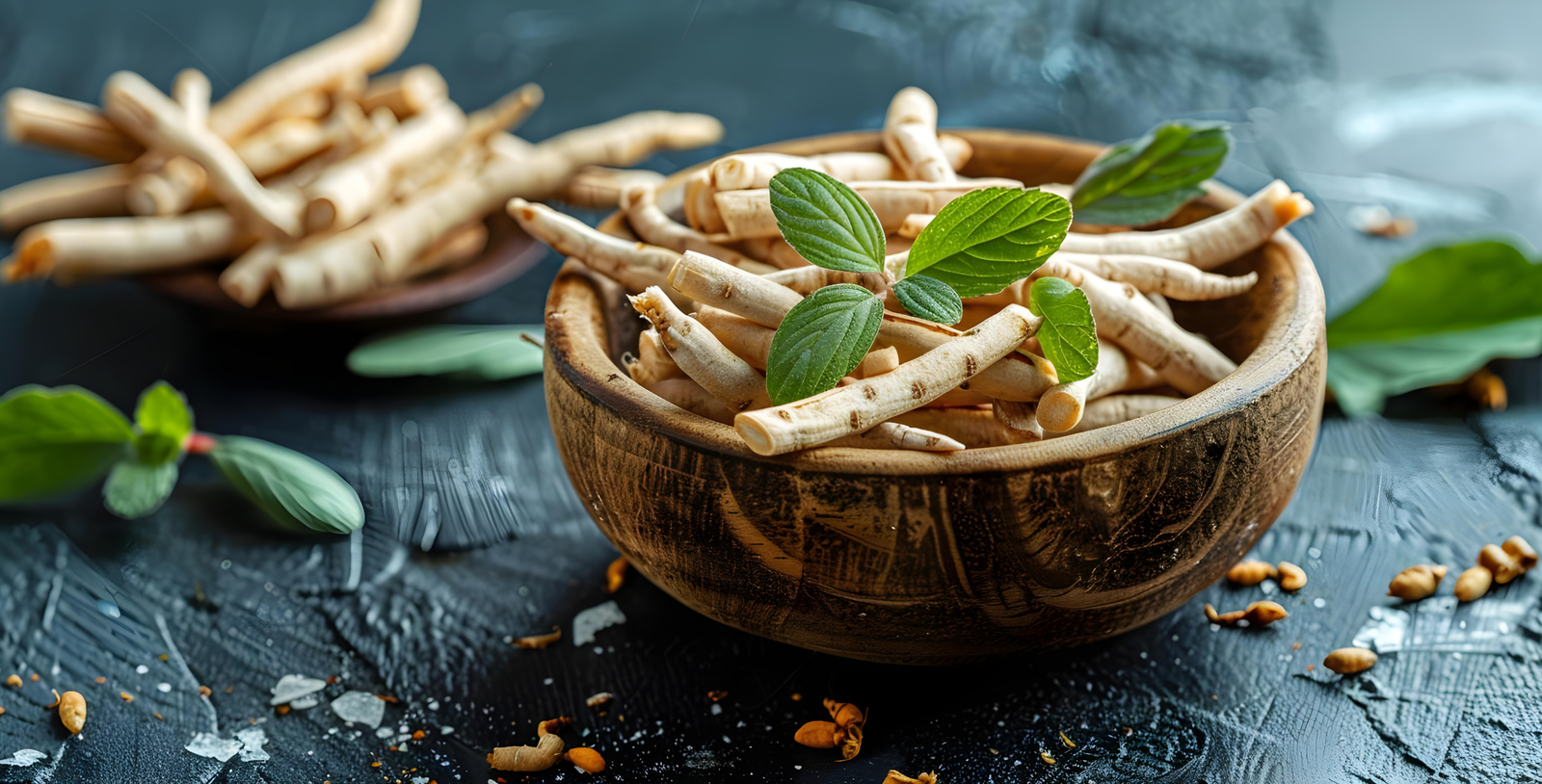
As we all are aware, India is really very rich in herbs, and ashwagandha and shatavari are one among them. Ashwagandha and Shatavari have long been celebrated in Ayurveda for their powerful healing abilities, but in recent years, women across the world have started exploring them more deeply for their unique impact on overall wellness. The benefits of Ashwagandha and Shatavari for female health go far beyond basic energy or immunity; these herbs work at a deeper, holistic level to support hormonal balance, emotional stability, reproductive health, and long-term vitality.
Ashwagandha, known for its adaptogenic properties, helps the body manage stress, reduce fatigue, and stabilize mood, three major concerns many women face due to fast-paced lifestyles. Meanwhile, Shatavari is revered as a female rejuvenation herb, often used to nourish the reproductive system, support fertility, and ease symptoms related to menstruation or menopause.
What makes their hidden benefits so fascinating is how these two herbs complement each other. When used together, they help create a natural balance between the mind and body, offering women a gentle yet effective approach to enhancing their daily well-being. This powerful duo continues to gain popularity as more women seek natural solutions for a healthier, more balanced life.
Let’s know more about it……
Boost Your Wellness Naturally With Us!!
Understanding the Two Powerhouse Herbs
Before exploring the individual benefits of Ashwagandha and Shatavari, it’s important to understand why these two herbs hold such a special place in Ayurveda. Both are considered foundational herbs that support long-term wellness rather than offering quick, temporary fixes.
Ashwagandha works by strengthening the body’s resilience, helping women cope better with stress, fatigue, and emotional fluctuations. Shatavari, on the other hand, is deeply nourishing and focuses on supporting the female reproductive system, hormonal balance, and overall vitality.
When combined, they create a powerful synergy that supports women physically, mentally, and emotionally. The following points break down the traditional roles and hidden strengths of these two Ayurvedic powerhouses.
What Is Ashwagandha?
Ashwagandha, scientifically known as Withania somnifera, is one of the most respected herbs in Ayurvedic medicine. Often referred to as “Indian ginseng,” it is celebrated for its ability to strengthen the body from within while calming the mind.
For centuries, healers have utilized this herb to enhance stamina, bolster immune function, and restore overall well-being. Today, modern wellness practices continue to incorporate ashwagandha for its profound impact on female health, particularly in areas related to stress, mood, and hormonal balance.
Adaptogenic Properties
Ashwagandha is best known for being a potent adaptogen. This means it helps the body adapt to stress in a healthier, more balanced way. Women dealing with high workloads, irregular sleep, emotional pressures, or hormonal fluctuations often find ashwagandha extremely beneficial.
Regulating cortisol, the body’s main stress hormone, helps reduce anxiety, fatigue, mood swings, and tension. These adaptogenic effects indirectly support better hormonal harmony, improved focus, and higher daily energy levels.
Traditional Ayurvedic Uses
Traditionally, ashwagandha has been used as a rasayana, an Ayurvedic rejuvenator that enhances longevity, strength, and reproductive vitality. It has been recommended for improving sleep, increasing physical endurance, enhancing memory, and supporting overall mental clarity.
In women, it has long been valued for improving menstrual regularity, boosting libido, and restoring strength during periods of weakness or exhaustion. Its grounding nature makes it an ideal herb for creating emotional and physical stability.
What Is Shatavari?
Shatavari, known botanically as Asparagus racemosus, is considered the most important herb for female wellness in Ayurveda. Unlike many herbs that serve general health purposes, Shatavari is uniquely tailored to support a woman’s body through various stages of puberty, menstruation, pregnancy, postpartum recovery, and menopause.
It is cooling, hydrating, and deeply nourishing, making it a perfect companion herb to ashwagandha’s strengthening and grounding effects.
Female Tonic in Ayurveda
Often called the “Queen of Herbs” for women, Shatavari holds a special place in Ayurvedic healing. It is believed to replenish ojas, the essence of vitality and immunity. Ayurveda uses Shatavari to promote emotional calmness, improve digestion, enhance skin health, and maintain internal balance.
Its ability to soothe, hydrate, and rejuvenate makes it especially beneficial for women experiencing dryness, mood swings, irritability, or hormonal instability.
Role in Reproductive and Hormonal Health
Shatavari is most widely known for its powerful impact on the female reproductive system. It supports healthy ovulation, nourishes the uterus, and promotes regular menstrual cycles. Many women use it to ease menstrual cramps, balance PMS symptoms, and manage menopausal changes such as hot flashes and dryness.
Additionally, Shatavari helps maintain hormonal balance by supporting natural estrogen levels. Its gentle, nourishing properties make it a preferred herbal choice for enhancing fertility, reproductive health, and overall hormonal balance.
Top Benefits of Ashwagandha for Females
Ashwagandha is often praised as an adaptogenic herb, but many women are unaware of its profound impact on hormonal, emotional, and overall physical well-being. Beyond reducing stress, this ancient Ayurvedic plant supports multiple systems in the body simultaneously, making it especially useful for women dealing with modern-day fatigue, mood swings, irregular periods, or low energy levels. Its hidden benefits come from its ability to balance hormones, calm the nervous system, and boost inner strength naturally.
Below are the key ways Ashwagandha quietly enhances female wellness.
Supports Hormonal Balance
- Reduces cortisol: Ashwagandha helps lower cortisol, the body’s main stress hormone. When cortisol stays high for long periods, it leads to hormonal imbalance, anxiety, fatigue, and irregular cycles. Ashwagandha works to bring it back to a healthy range.
- Regulates menstrual cycle: By stabilizing stress hormones and supporting the endocrine system, Ashwagandha may help promote more regular menstrual cycles and reduce monthly discomfort.
Boosts Energy & Reduces Fatigue
- Enhances stamina: Ashwagandha improves overall endurance and physical strength, making it beneficial for women who experience daily tiredness or weakness.
- Helpful during PMS or heavy routines: Its energy-supporting properties help combat fatigue associated with PMS, busy schedules, or physically demanding days.
Improves Mood & Emotional Stability
- Reduces anxiety symptoms: Ashwagandha is well known for its calming effects. It helps reduce nervousness, restlessness, and ongoing anxiety by supporting healthy stress responses.
- Helps manage stress-induced imbalance: When stress affects mood or hormones, Ashwagandha works to restore balance and promote emotional steadiness.
Enhances Libido Naturally
- Balances hormones that influence sexual health: By improving hormonal harmony and reducing stress, Ashwagandha can positively influence libido, helping women feel more connected, confident, and energized.
Promotes Better Sleep Quality
- Calms the nervous system for deep rest: Ashwagandha supports relaxation and helps the body transition into restful sleep. It promotes deeper, more restorative sleep cycles, especially for women dealing with stress-related insomnia.
Top Benefits of Shatavari for Females
Shatavari is often referred to as the “Hero of Herbs” in Ayurveda due to its gentle yet powerful effects on the female body. It is deeply nourishing, cooling, and rejuvenating, making it especially beneficial for women experiencing hormonal changes, menstrual discomfort, or reproductive challenges.
Unlike many herbal supplements that offer only surface-level support, Shatavari works internally to strengthen the female reproductive system, regulate hormones, and enhance long-term vitality. Its hidden benefits are rooted in its ability to hydrate, soothe, and balance the body naturally.
Below are the key ways Shatavari quietly supports women’s health at every stage of life.
Boosts Reproductive Health
- Supports ovulation: Shatavari helps promote healthy ovulation by supporting balanced estrogen levels and nourishing the reproductive tissues.
- Nourishes the female reproductive system: It strengthens and rejuvenates the uterus, ovaries, and other reproductive organs, promoting long-term reproductive health and wellness.
Natural Support for Fertility
- Strengthens uterine health: Shatavari is known for its ability to fortify the uterine lining, support implantation, and create a healthier internal environment, which can be helpful for women trying to conceive.
Eases Menopause Symptoms
- Helps with hot flashes: Its natural cooling properties help reduce the intensity and frequency of hot flashes.
- Mood swings: Shatavari supports hormonal balance and emotional steadiness, helping women feel calmer and more centered.
- Dryness & itching: The herb’s hydrating nature helps soothe internal dryness and irritation commonly experienced during menopause.
Improves Digestive Health
- Soothes gut inflammation: Shatavari gently calms the digestive tract, helping to relieve bloating, acidity, and discomfort associated with inflammation.
- Natural cooling herb: Its cooling effect supports better digestion, reduces body heat, and promotes smoother bowel movements.
Enhances Skin Health
- Hydrating and antioxidant effects: Shatavari helps maintain skin moisture, supports elasticity, and protects the skin from oxidative stress, leading to softer, healthier-looking skin.
Benefits of Ashwagandha and Shatavari for Female
Women often turn to herbal remedies for natural wellness support, and the combined benefits of Ashwagandha and Shatavari for female health are one of the most powerful Ayurvedic solutions available. While Ashwagandha strengthens the nervous system, reduces stress, and boosts energy, Shatavari nourishes the reproductive system, balances hormones, and supports long-term vitality.
The two herbs complement each other beautifully; one acts as a stabilizer, while the other acts as a rejuvenator. This unique mixture makes them one of the most effective Ayurvedic combinations for women seeking natural support for their wellness.
Below are the key benefits of ashwagandha and shatavari for females:
Hormonal Harmony
One of the most essential benefits of Ashwagandha and Shatavari for female wellness is their collective ability to support hormonal balance. Ashwagandha regulates cortisol levels, reducing stress-induced hormonal disruptions, while Shatavari promotes healthy estrogen levels. Together, they help maintain consistent menstrual cycles, reduce PMS discomfort, and promote overall hormonal steadiness.
Better Stress Management
Stress is one of the biggest contributors to hormonal imbalance in women. Ashwagandha helps the body adapt to daily stress by calming the nervous system and stabilizing the mind. Shatavari provides emotional balance, helping women feel more grounded and centered. This combination creates a stronger stress-response system, making it easier to handle emotional or physical pressures.
Improved Vitality and Immunity
Ashwagandha enhances physical energy, supports better endurance, and strengthens the body’s natural resilience. Shatavari nourishes internal tissues, boosts immunity, and restores vitality from within. Together, they offer enhanced stamina, improved energy flow, and better immune protection, essential for women managing busy lifestyles.
Enhanced Sexual Wellness
Another important benefit of Ashwagandha and Shatavari for female reproductive health is improved sexual wellness. Ashwagandha boosts libido by reducing stress hormones and improving blood flow, while Shatavari supports reproductive organ health and natural lubrication. This creates a healthier, more comfortable, and more satisfying intimate experience.
Overall Mind-Body Balance
The combined herbs work on multiple levels mentally, emotionally, and physically. Women often experience better sleep, improved digestion, reduced irritability, and a stronger sense of inner balance. This mind-body harmony is one of the reasons why this herbal duo is trusted for long-term female wellness.
How to Take Ashwagandha and Shatavari Together?
Taking both herbs together can significantly amplify the benefits of Ashwagandha and Shatavari for female wellness because they complement each other beautifully. One supports stress relief and boosts energy, while the other nourishes the reproductive system and promotes hormonal balance. When combined, they create a powerful herbal synergy that enhances overall vitality.
To achieve the best results, it’s essential to select the correct form and follow straightforward, non-medical dosage guidelines. Below are the most common and convenient ways women can include these herbs in their daily routine to experience their full benefits.
Recommended forms
Powder
Herbal powders are one of the most traditional ways to consume Ashwagandha and Shatavari. They can be mixed into warm milk, smoothies, or herbal tea. Powders work well for women who prefer natural, unprocessed forms and want a customizable daily dose.
Capsules
Capsules are the easiest and most convenient option. They ensure consistent intake, are travel-friendly, and remove the bitterness of powders. This form is ideal for beginners or those with busy schedules who want simple, no-prep consumption.
Liquid
Liquid extracts or tinctures absorb quickly and are ideal for women seeking fast-acting support. They can be taken directly or mixed with warm water. Liquids are often preferred by those who dislike swallowing capsules or mixing powders.
General dosage ranges (non-medical guidance)
These are common, general-use amounts; individuals should adjust them based on their comfort and preference.
- Ashwagandha: 250 mg–500 mg per day (capsule) or ½–1 teaspoon powder
- Shatavari: 500 mg–1000 mg per day (capsule) or ½–1 teaspoon powder
- Liquid extracts: Follow the product’s drop-wise instructions
Best time to consume
- For energy & daytime stability: Morning with warm water or milk
- For stress relief & sleep support: Evening before bed
- For balanced results: Split dose, half in the morning, half at night
When taken daily, this routine supports better hormonal harmony, improved vitality, and overall female wellness.
Safety, Side Effects & Who Should Avoid
While the benefits of Ashwagandha and Shatavari for female wellness are impressive, it is equally important to understand the safety aspects of these herbs. Most women tolerate both herbs well, but certain conditions may require caution or avoidance.
Being aware of potential side effects and interaction risks helps ensure a safe and effective use without discomfort. Additionally, if you are looking for a weight gain or weight loss product, you can use Purerevamp, one of the best herbal health care products.
Below are key safety considerations that every woman should review before incorporating these herbs into her daily routine.
Pregnancy & Breastfeeding
Pregnant or breastfeeding women should avoid using Ashwagandha and Shatavari unless advised by a qualified practitioner. Ashwagandha may stimulate uterine activity, and Shatavari, although traditionally used in Ayurveda, should still be taken cautiously during these sensitive periods.
Hormonal Disorders
Women with hormone-sensitive conditions, such as PCOS, endometriosis, fibroids, or estrogen-dominant issues, should consult a professional before using these herbs. Shatavari can influence estrogen levels, and Ashwagandha affects hormonal stress responses, which may not be suitable for every case.
Medication Interactions
Ashwagandha may interact with sedatives, thyroid medications, blood pressure medicines, and immune-modulating drugs. Shatavari may interact with diuretics or hormone-related medications. Women taking any long-term or prescription drugs should seek medical guidance to avoid unwanted interactions.
Allergy Considerations
Shatavari belongs to the asparagus family, so women sensitive to asparagus or similar plants may experience allergic reactions. Ashwagandha may also cause mild digestive discomfort in some individuals. Anyone with a history of herbal allergies should start cautiously or avoid these herbs entirely.
The Final Thoughts
While the benefits of Ashwagandha and Shatavari for female wellness are widely appreciated, understanding their safety profile is essential before adding them to a daily routine. Both herbs are considered gentle and supportive, but certain situations require extra caution. Pregnant or breastfeeding women should avoid these herbs unless advised by a professional, as Ashwagandha may stimulate uterine activity and Shatavari can influence hormonal levels.
Women with hormonal disorders such as PCOS, endometriosis, fibroids, or estrogen-sensitive conditions should consult a practitioner before use since Shatavari may affect estrogen balance, and Ashwagandha can alter stress-related hormones.
Those taking prescription medications, especially for thyroid, blood pressure, anxiety, or hormonal regulation, should be aware of possible interactions. Individuals with known plant allergies should also be cautious, particularly those sensitive to asparagus, as Shatavari belongs to the same family.
Some women may experience mild digestive discomfort when starting these herbs; therefore, it is recommended to begin with a low dose. By understanding these precautions, women can enjoy the full benefits safely and confidently.