
Erectile Dysfunction in India: Complete 2026 Guide — Causes, Symptoms, Treatment & Natural Support
Erectile dysfunction isn’t just an “old man’s problem” anymore—it’s quietly becoming one of the biggest male health issues in urban India, even among men in their late 20s and early 30s.
Long hours at the desk, constant stress, late‑night screen time, diabetes, belly fat, smoking, and performance anxiety are all hitting men where it hurts most—their confidence, relationships, and sense of masculinity.
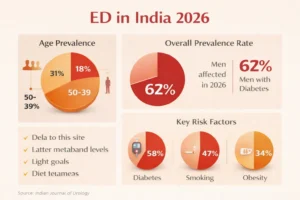
Recent Indian data shows a sharp rise in ED among younger men, with a large share of cases now coming from the 30–39 age group and an increasing number even below 30.
At the same time, doctors are warning that ED is often the first sign of something deeper—like early heart disease, uncontrolled blood sugar, or hormonal imbalance—often appearing years before any major cardiac event.
“In other words, ED is often more of a vascular and metabolic warning signal than just a ‘bedroom problem’.”
The good news?
In many cases, ED is not a life sentence.
With the right mix of medical evaluation, lifestyle changes, and smart, scientifically guided natural support, many Indian men can significantly improve their erection quality, energy, and performance.
In this 2026 India-focused guide, you’ll learn what’s really causing ED today, how to spot early warning signs, when to see a doctor, which treatments actually work, and how Ayurvedic herbs and natural support can fit into a safe, holistic plan alongside medical guidance.
Whether you’re looking for natural treatment for erectile dysfunction, understanding when to see a doctor, or exploring Ayurvedic remedies — this guide covers it all.
What is Erectile Dysfunction (ED)?
Erectile dysfunction (ED) is a medical condition in which a man is consistently unable to achieve or maintain an erection firm enough for satisfactory sexual intercourse. It is diagnosed when the problem occurs more than 50% of the time and persists for several weeks or months.
How Erections Work: The Science Behind It
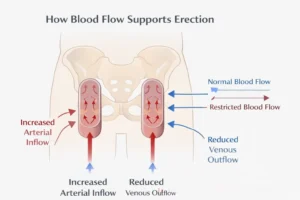
An erection is a complex physiological process involving the brain, hormones, nerves, blood vessels, and muscles. When a man becomes sexually aroused:
- The brain sends signals through the nervous system
- Blood vessels in the penis relax
- Blood flows into the penile chambers (corpora cavernosa)
- The penis becomes firm and erect
- Veins constrict to trap blood and maintain firmness
If any part of this system is disrupted — whether due to poor blood circulation, nerve damage, hormonal imbalance, stress, or psychological factors — erectile dysfunction can occur.
Erectile Dysfunction vs Occasional Weak Erection
It is important to understand that occasional erection difficulty is normal.
You may experience temporary erection issues due to:
- Fatigue
- Stress
- Alcohol consumption
- Anxiety
- Relationship tension
However, erectile dysfunction is diagnosed when:
- The problem occurs frequently (more than 50% of the time)
- It persists for several weeks or months
- It affects confidence, intimacy, or relationship satisfaction
The ED Crisis in India: 2026 Statistics You Need to Know
As of 2025, approximately 322 million men worldwide are affected by ED, representing nearly a 170 million increase since 1995 . India accounts for a significant portion of this global burden. A comprehensive Mumbai study of 606 ED patients found that 41% were in the 30-39 age group, highlighting the alarming shift toward younger men . Most striking: 25% of ED patients are now below age 30, compared to just 5-7% a decade ago .
Key Statistics:
- Worldwide, 322 million men are affected by ED as of 2025—a 170 million increase since 1995
- In India, 41% of ED patients are in the 30-39 age group
- 25% of ED patients are now under age 30 (up from just 5-7% a decade ago)
- Men with diabetes face 3-4 times higher risk of developing ED
- ED often appears years before cardiovascular disease symptoms
Why This Matters for You?
Studies indicate that erectile dysfunction becomes more common with age, but younger men are increasingly affected due to lifestyle factors such as:
- High stress levels
- Lack of exercise
- Poor diet and obesity
- Smoking and excessive alcohol
- Excessive screen exposure
- Sleep deprivation
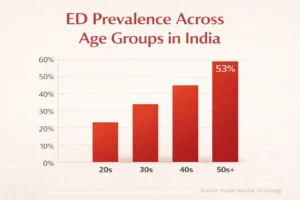
In India, some hospital data and reviews suggest that roughly one in ten men experience clinically significant impotence, with a disproportionate burden in urban, high‑stress settings.
The most common ED symptoms include difficulty getting or maintaining an erection, weak or soft erections, reduced sexual desire, and loss of morning erections. If these occur more than 50% of the time and persist for several weeks, medical consultation is recommended.
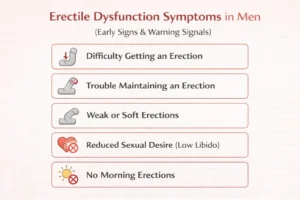
Erectile Dysfunction Symptoms in Men (Early Signs & Warning Signals)
Recognizing the symptoms of erectile dysfunction early can help prevent the condition from worsening. Many men ignore early warning signs, assuming the issue is temporary. However, when erection problems start happening frequently, it may indicate an underlying health concern.
Most Common Erectile Dysfunction Symptoms:
- Difficulty Getting an Erection: The inability to achieve an erection even after sexual stimulation is one of the most noticeable symptoms.
- Trouble Maintaining an Erection: Some men can get an erection but lose it during intercourse. This is commonly reported as erectile dysfunction during sex.
- Weak or Soft Erections: Erections may not be firm enough for penetration. This often relates to reduced blood flow or vascular issues.
- Reduced Sexual Desire (Low Libido): Hormonal imbalance, stress, or psychological factors may reduce sexual interest.
- No Morning Erections: Healthy men often experience spontaneous morning erections. A sudden absence of morning erections may indicate physical causes of ED.
Early Warning Signs of Erectile Dysfunction
Early-stage ED may not be severe but shows subtle changes, such as:
- Erection not as firm as before
- Takes longer to get aroused
- Erection fades quickly
- Anxiety before intimacy
- Avoiding sexual situations
Important: Ignoring these signs can allow the condition to progress.
Psychological Symptoms of ED
In many cases, erectile dysfunction symptoms in younger men are psychological rather than physical.
Common psychological symptoms include:
- Performance anxiety
- Fear of sexual failure
- Overthinking during intimacy
- Relationship stress
- Depression
Key Indicator: If erections are normal during masturbation but weak during partnered sex, psychological factors are often involved.
When Should You See a Doctor?
Medical consultation is recommended if:
- Symptoms last more than 3 months
- You have diabetes, high blood pressure, or heart issues
- ED is affecting your relationship or mental health
- You notice sudden erectile changes
- Morning erections have completely stopped
Erectile dysfunction is often an early warning sign of other health conditions, including cardiovascular disease, diabetes, high blood pressure, and hormonal disorders. In some cases, ED may appear years before heart disease symptoms become noticeable.
Note: Never self‑medicate with online pills or unverified herbal products without medical supervision, especially if you have chest pain, breathlessness, or uncontrolled blood pressure.
What is the Main Cause of Erectile Dysfunction?
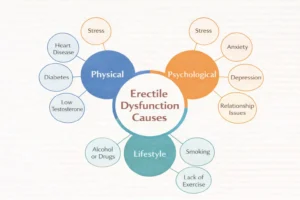
Erectile dysfunction does not usually have a single cause. In most cases, it results from a combination of physical, psychological, and lifestyle-related factors.
However, the most common underlying cause of chronic erectile dysfunction is reduced blood flow to the penis, also known as vascular erectile dysfunction.
1. Physical Causes of Erectile Dysfunction
Physical causes account for nearly 70–80% of persistent ED cases. An erection depends heavily on healthy blood circulation. If blood flow is restricted, the penis cannot become firm.
Common Physical Causes:
- Arterial insufficiency (narrowed arteries)
- Atherosclerosis (plaque buildup)
- Diabetes
(The link between diabetes and erectile dysfunction is particularly strong — men with diabetes face 3-4 times higher risk, making regular screening essential.)
- High blood pressure
- High cholesterol
- Obesity
- Hormonal imbalance (low testosterone)
- Nerve damage
- Pelvic surgery or injury
- Side effects of certain medications
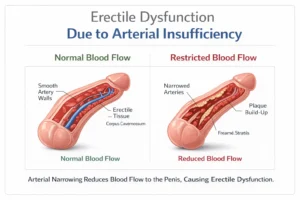
Among these, erectile dysfunction due to arterial insufficiency is considered one of the leading causes, especially in men over 35.
2. Erectile Dysfunction Due to Arterial Insufficiency
Arterial insufficiency occurs when arteries become narrow or blocked due to plaque buildup. Since erections require strong blood flow, restricted circulation directly impacts firmness.
Risk factors include:
- Smoking
- Diabetes
- High cholesterol
- Sedentary lifestyle
- Heart disease
Critical Insight: Erectile dysfunction can sometimes appear years before cardiovascular symptoms, making it an early warning sign of heart health issues.
3. Psychological Causes of Erectile Dysfunction
Not all ED is physical. Mental health plays a powerful role in sexual performance.
Common psychological causes include:
- Performance anxiety
- Stress from work or finances
- Depression
- Relationship conflict
- Fear of sexual failure
- Porn-induced desensitization
Key Indicator: If erections are normal during masturbation but weak during partnered sex, the cause is often psychological.
Psychological erectile dysfunction is highly treatable with proper counseling and stress management.
4. Erectile Dysfunction in Young Men
Erectile dysfunction at age 30 or even younger is no longer uncommon in India’s urban centres, with data showing 25% of ED patients are now under 30.
Common triggers include:
- Chronic stress
- Lack of sleep
- Excessive screen time
- Sedentary lifestyle
- Poor diet
- Obesity
- Smoking and alcohol
Good News: Lifestyle-driven ED is often reversible when addressed early.
5. Hormonal Causes
Low testosterone may contribute to:
- Low libido
- Reduced energy
- Mood changes
- Weak erections
However, not all ED cases are caused by low testosterone. Hormonal testing should be done before considering hormone therapy.
Classification: Understanding Different Types of ED
Not all erectile dysfunction is the same. Understanding your type helps determine the most effective treatment approach.
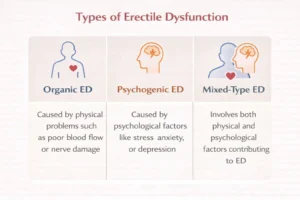
1. Organic (Physical) ED
- Vasculogenic ED – Most common type, caused by insufficient blood flow due to arterial insufficiency, atherosclerosis, or vascular damage
- Neurogenic ED – Results from nerve damage due to diabetes, spinal injuries, or pelvic surgeries
- Hormonal ED – Linked to low testosterone, thyroid disorders, or hormonal imbalances
- Anatomical ED – Physical abnormalities like Peyronie’s disease
2. Psychogenic (Psychological) ED
Caused by mental health factors including performance anxiety, stress, depression, relationship conflicts, or past trauma.
3. Mixed-Type ED
Combination of physical and psychological factors – the most common presentation in clinical practice.
Diagnosis: How ED is Properly Assessed?
Your doctor will ask about your sexual history, medical conditions, medications, and lifestyle factors. A physical exam checks for underlying health issues.
The IIEF Questionnaire: Gold Standard Assessment
The International Index of Erectile Function (IIEF) is a validated, multi-dimensional questionnaire examining erectile function, orgasmic function, sexual desire, intercourse satisfaction, and overall satisfaction.
The simplified IIEF-5 version scores from 5 to 25, with ED classified into categories: severe (5-7), moderate (8-11), mild to moderate (12-16), mild (17-21), and no ED (22-25).

Laboratory Tests
- Testosterone levels
- Blood sugar (diabetes screening)
- Cholesterol and lipid profile
- Thyroid function
Specialized Tests (when indicated)
- Penile Doppler ultrasound to assess blood flow
- Nocturnal penile tumescence testing
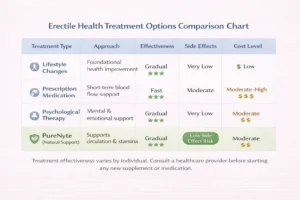
ED treatment works best as a multi-layered approach: lifestyle changes (exercise, diet, sleep, stress management) form the foundation, medical treatments (PDE5 inhibitors, hormone therapy) provide targeted support when needed, and Ayurvedic herbs and natural supplements can complement both — especially for mild to moderate, lifestyle-driven ED.
Erectile Dysfunction Treatment Options: What Actually Works
Erectile dysfunction treatment depends on the underlying cause and severity of symptoms. While prescription medication may be required in some cases, many men experience improvement by addressing circulation, energy levels, stress, and overall lifestyle first.
Current medical guidelines from the American Urological Association (AUA) and European Association of Urology (EAU) recommend always considering lifestyle modifications and management of comorbidities alongside any pharmacological treatments.
A structured approach — combining lifestyle changes, appropriate medical treatment, and natural support — often delivers better results than relying on one solution alone.
1. Lifestyle Modifications – The Foundation That Amplifies Results
Lifestyle modifications are the foundation of erectile dysfunction management and are recommended as a first step by every major urology guideline. Even when medication or natural supplements are part of the plan, these changes amplify results across the board. A 2024 study found that combined lifestyle and pharmacological interventions improved erectile function scores from moderate dysfunction to near-normal ranges in just three months.
Physical Activity – Proven Results
Exercise for erectile dysfunction is one of the most evidence-backed natural interventions available.
A meta-analysis of 11 randomized controlled trials found that aerobic exercise improved erectile function scores by an average of 2.8 points, with men experiencing severe ED seeing improvements of 4.9 points.
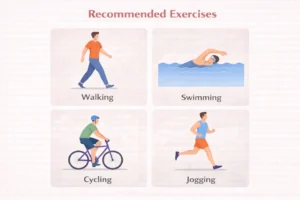
What works: Brisk walking, swimming, cycling, or jogging for 30–60 minutes, 3–5 times weekly. Research confirms aerobic training produces the strongest effects.
Nutrition — Mediterranean and Plant-Based Diets
The best foods for erectile dysfunction work by boosting nitric oxide production, improving blood vessel health, and reducing inflammation. Here are the most evidence-backed options, including Indian dietary staples:
- Nitric oxide boosting foods: Beetroot (chukandar) is one of the richest natural sources of dietary nitrates, which your body converts into nitric oxide — the key molecule for blood vessel relaxation and erections. Spinach (palak), methi leaves, and other dark leafy greens are similarly nitrate-rich. Adding a glass of fresh beetroot juice or a daily serving of palak dal can directly support vascular health.
- Flavonoid-rich fruits: Pomegranate (anaar) contains powerful antioxidants that protect nitric oxide from oxidative damage and improve blood flow. Berries, amla (Indian gooseberry), watermelon, and citrus fruits are also rich in flavonoids linked to reduced ED risk. A 10-year Harvard study of over 25,000 men found that those consuming flavonoid-rich foods regularly were significantly less likely to develop ED.
- L-arginine-rich foods: Nuts like walnuts (akhrot), pistachios (pista), and almonds (badam) are natural sources of L-arginine, the amino acid your body uses to produce nitric oxide. Eggs, chicken, fish, and dairy also provide L-arginine. Including a handful of mixed nuts daily supports both heart and erectile health.
- Indian kitchen staples: Garlic (lahsun) improves blood circulation and may support endothelial function. Saffron (kesar), traditionally used as an aphrodisiac, has shown benefits for sexual function in clinical studies. Moringa (drumstick/sahjan), widely available across India, is rich in antioxidants and has emerging evidence for supporting male reproductive health.
- Foods to limit: Reduce processed foods, refined sugar, excessive red meat, deep-fried snacks, and sugary beverages. These contribute to inflammation, arterial plaque buildup, and insulin resistance — all of which worsen ED. Excessive alcohol consumption also directly impairs erectile function.
Sleep Quality & Hormones
Testosterone production peaks during deep sleep. Aim for 7-8 hours of quality sleep nightly. Address sleep disorders like sleep apnea, which significantly impacts erectile function.
Smoking & Alcohol
Current smokers have 1.51 times higher odds of ED compared to non-smokers, but research shows enhancement in erectile capacity within just one day of smoking cessation. The relationship between smoking and erectile dysfunction is dose-dependent — the more you smoke, the greater the risk.
Stress Management
Chronic stress elevates cortisol, suppressing testosterone and creating performance anxiety. Effective approaches include mindfulness meditation, deep breathing, yoga, and counseling. Practices like yoga for erectile dysfunction and mindfulness meditation have shown measurable benefits in clinical studies, particularly for men with psychogenic ED.
Weight Management
Weight loss and increased physical activity enhance erectile function by improving insulin resistance, endothelial dysfunction, and reducing inflammation.
When lifestyle changes are combined with appropriate medical treatment and natural support, men often see meaningful improvements within 6–12 weeks. The key is consistency — these aren’t one-time fixes but ongoing habits that protect erectile and cardiovascular health long-term.
Pelvic Floor Exercises (Kegels) for Men
Pelvic floor exercises — commonly known as Kegel exercises for men — strengthen the muscles that support erection firmness and help trap blood in the penis during arousal.
How to do them: Identify the muscles you use to stop urination midstream. Squeeze these muscles for 5 seconds, then release for 5 seconds. Repeat 10-15 times, three times daily. These can be done anywhere — sitting at your desk, standing in a queue, or lying in bed.
A British clinical trial found that three months of twice-daily pelvic floor exercises, combined with lifestyle modifications, produced significantly better erectile function outcomes than lifestyle changes alone. Kegel exercises are free, require no equipment, and have no side effects — making them one of the most accessible first steps for any man experiencing erection difficulties.
2. Medical Treatments: When Additional Support is Needed
For some men, natural support and lifestyle changes may need to be combined with medical treatments for optimal results.
PDE5 Inhibitors
Sildenafil (Viagra), Tadalafil (Cialis), and Vardenafil are the most widely prescribed ED medications. These erectile dysfunction tablets — including sildenafil, tadalafil, and vardenafil — remain the most clinically validated pharmacological treatment.
Research shows daily combination therapy of tadalafil 5mg plus L-arginine 2,500mg may provide enduring improvements in endothelial function and may contribute to the return of spontaneous erections over time.
Important: PDE5 inhibitors require a doctor’s prescription and are not suitable for men taking nitrate medications for heart conditions. Common side effects include headache, flushing, nasal congestion, and indigestion. Always consult a qualified physician before starting any prescription ED medication.
Hormone Replacement Therapy
When low testosterone is confirmed through blood testing, testosterone replacement therapy (TRT) may be recommended. TRT can improve libido, energy, and erectile function in men with clinically low testosterone. However, it is not effective for ED when testosterone levels are already normal.
Other Medical Options
Depending on the severity and cause, your doctor may also discuss penile injections (Alprostadil for direct vasodilation), vacuum erection devices (a mechanical aid for achieving erection), or penile implants (a surgical option for severe, treatment-resistant cases). Each option has different levels of invasiveness, effectiveness, and suitability based on individual medical history.
Emerging Treatments
Low-intensity shockwave therapy (Li-ESWT) is the most extensively studied regenerative treatment for ED. It uses acoustic pulses to stimulate new blood vessel formation in penile tissue. Clinical trials show promising improvements in men with mild to moderate vasculogenic ED, although long-term data is still being gathered. Platelet-rich plasma (PRP) therapy is also under investigation, though it is not yet widely approved for ED treatment. Discuss these options with a urologist if you are interested in non-pharmaceutical approaches.
3. Ayurvedic Approaches: Ancient Wisdom Meets Modern Research
Ayurveda, India’s 5,000-year-old system of medicine, has long recognized specific herbs and minerals that support male vitality through “Vajikarana” (aphrodisiac therapy). Modern research is increasingly validating what Ayurvedic practitioners have known for centuries — several traditional Vajikarana herbs now have clinical studies supporting their role in male sexual health.
Here are the most well-researched Ayurvedic herbs for erectile support:
1. Ashwagandha (Withania somnifera) – “The Strength Giver”
Traditional Use: Used for centuries to enhance vitality, reduce stress, and improve sexual function
Modern Research:
A comprehensive 2025 safety study tracking 191 adults over 12 months found that KSM-66 Ashwagandha root extract led to significant testosterone increases, with 68.7% of participants showing overall clinical improvement, particularly those aged 50 years and older .
How it helps erectile function:
- Reduces cortisol (stress hormone) that interferes with testosterone
- Supports healthy testosterone production
- Improves energy and stamina
- Reduces performance anxiety through its adaptogenic properties
Ashwagandha for ED works primarily through stress reduction and hormonal support rather than direct blood flow enhancement.
2. Shilajit – “The Destroyer of Weakness”
Traditional Use: Prized Himalayan mineral resin used as a powerful rejuvenator and aphrodisiac
Modern Research:
Shilajit demonstrates parasympathomimetic effects that account for relaxation of corpus cavernosum, the erectile tissue in the penis.
How it helps erectile function:
- Directly supports erectile tissue relaxation
- Contains fulvic acid and over 84 trace minerals
- Boosts testosterone production
- Enhances cellular energy (mitochondrial function)
- Improves stamina and reduces fatigue
Shilajit for erectile dysfunction has been used in Ayurveda for centuries, and modern research is now confirming its effects on erectile tissue.
3. Safed Musli (Chlorophytum borivilianum) – “White Gold”
Traditional Use: Considered one of the most powerful Ayurvedic herbs for male sexual health and vitality
Modern Research: Studies demonstrate Safed Musli’s ability to enhance libido, improve sexual performance, and support testosterone levels through its rich concentration of saponins and alkaloids.
How it helps erectile function:
- Natural aphrodisiac properties
- Increases sexual desire and arousal
- Supports testosterone production
- Enhances physical stamina and endurance
- Improves sperm quality and reproductive health
4. Gokshura (Tribulus terrestris) – “The Puncture Vine”
Traditional Use: Ancient Ayurvedic herb specifically used for urogenital health and sexual vitality
Modern Research:
Gokshura stimulates nitric oxide production, which relaxes blood vessels in the penis and facilitates erections. It also supports testosterone production and reproductive function.
How it helps erectile function:
- Boosts nitric oxide for better blood flow
- Supports natural testosterone production
- Enhances libido and sexual desire
- Improves overall reproductive health
Gokshura for erectile dysfunction works through the same nitric oxide pathway that prescription ED medications target.
5. Korean Red Ginseng (Panax ginseng) – “The King of Herbs”
Traditional Use: One of the most widely used herbal remedies in Asian medicine for vitality and sexual health
Modern Research:
A systematic review and meta-analysis of randomized clinical trials showed Korean red ginseng had a significant effect on erectile dysfunction (risk ratio 2.40), with 6 studies comparing it to placebo demonstrating clear benefits.
A double-blind crossover study with 45 ED patients showed mean International Index of Erectile Function scores were significantly higher in patients treated with Korean red ginseng (900mg 3x daily) than placebo (38.1 vs 30.9, p<0.01).
Clinical efficacy studies revealed 60% overall therapeutic success with ginseng compared to just 30% for placebo, with significant improvements in penile rigidity, libido, and patient satisfaction.
How it helps erectile function:
- Improves erectile function and penile rigidity
- Enhances nitric oxide production
- Increases energy and reduces fatigue
- Particularly effective for psychogenic ED
- Supports cardiovascular health
6. Kaunch Beej (Mucuna pruriens) – “The Velvet Bean”
Traditional Use: Used in Thai and Indian traditional medicine for treating erectile dysfunction and male infertility
Modern Research:
Clinical trials with infertile men showed Mucuna pruriens treatment significantly improved testosterone, LH, dopamine, adrenaline, and noradrenaline levels while reducing FSH and PRL, with sperm count and motility significantly recovered.
Research demonstrated that a 600mg/kg dose led to increased sperm quality and testosterone levels, decreased corticosterone (stress hormone), and improved sexual performance.
Studies on infertile men under psychological stress showed M. pruriens (5g daily for 3 months) significantly improved sperm count, motility, and reduced oxidative stress markers.
How it helps erectile function:
- Contains 5-10% L-DOPA, which boosts dopamine levels
- Increases testosterone production
- Reduces stress and cortisol levels
- Improves sexual behavior and libido
- Enhances sperm quality and fertility
- May act as ROCK-II inhibitor, relaxing penile smooth muscles
7. Akarkara (Anacyclus pyrethrum) – “The Spark Igniter”
Traditional Use: Used as “Vajikaran Rasayana” (aphrodisiac) in Ayurveda to treat male sexual dysfunction
Modern Research:
Animal studies showed Anacyclus pyrethrum extract administration at 50, 100, and 150 mg/kg doses for 28 days produced significant increases in body weight, sperm count, motility, viability, and serum testosterone, LH, and FSH levels.
Research demonstrated significant anabolic effects comparable to testosterone treatment, with increased penile erection index suggesting nitric oxide-based intervention.
The alkyl-amide compounds in Akarkara roots increase testosterone production and may work through hypothalamus stimulation, also increasing spermatozoa count.
How it helps erectile function:
- Contains bioactive alkylamides that enhance sexual function
- Increases blood flow to genital area by dilating blood vessels
- Boosts testosterone, LH, and FSH hormone levels
- Improves penile erection index
- Enhances spermatogenesis and fertility
- Works through both testosterone-like action and nitric oxide pathways
Choosing the Right Ayurvedic Support
While individual herbs can be beneficial, Ayurvedic tradition emphasizes synergistic formulations where herbs work together across multiple pathways — hormonal balance, nitric oxide production, stress resilience, and energy. When choosing a supplement, look for products that combine well-researched herbs like Ashwagandha, Shilajit, Gokshura, and Korean Red Ginseng in standardized, quality-tested formulations rather than relying on single-ingredient products.
One such option is PureNyte, which we discuss in detail below.
4. Natural Support For Erectile Health – Introducing PureNyte
For many men, erectile concerns are not always caused by severe medical disorders. In fact, mild to moderate performance issues are often linked to poor circulation, chronic stress, low stamina, and lifestyle-related factors.
When the root cause involves reduced blood flow or fatigue, supporting the body naturally may help improve overall performance and confidence.
What is PureNyte?
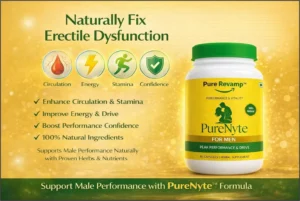
PureNyte is a men’s performance and vitality support supplement formulated to help support healthy erectile function naturally. It is designed for men who experience occasional or mild performance issues related to reduced circulation, stress, and lifestyle factors — and who want a structured, plant-based way to support their overall sexual health.
PureNyte does not claim to cure erectile dysfunction or replace professional treatment. It is intended to complement medical guidance, exercise, diet, sleep, and stress management as part of a holistic plan.
PureNyte Ingredients and How They Work Together
PureNyte combines seven Ayurvedic herbs and one amino acid — each discussed in detail in the Ayurvedic section above — into a single formula designed to support four interconnected pathways:
- Blood Flow and Nitric Oxide: L-Arginine (nitric oxide precursor), Gokshura (stimulates NO production), Akarkara (dilates blood vessels), and Korean Red Ginseng (improves vascular function) work together to support the blood flow necessary for firm, sustained erections.
- Hormonal Balance: Ashwagandha (reduces cortisol, supports testosterone), Shilajit (enhances testosterone and hormonal balance), Kaunch Beej (boosts dopamine and testosterone), and Akarkara (stimulates testosterone through hypothalamus activation) address the hormonal side of erectile performance.
- Energy and Stamina: Shilajit (mitochondrial energy support), Korean Red Ginseng (reduces fatigue), and Safed Musli (enhances physical endurance) help sustain arousal and physical performance.
- Stress and Confidence: Ashwagandha (lowers cortisol, adaptogenic), Kaunch Beej (increases dopamine for mood), and Korean Red Ginseng (improves mood and mental energy) help reduce the performance anxiety that often accompanies ED.
Who Is PureNyte For?
PureNyte may be a good fit for men with mild to moderate, lifestyle-related erection concerns; men who want an Ayurvedic-inspired supplement to support sexual health alongside diet and exercise; those looking to enhance energy, stamina, and confidence as part of a broader wellness routine; and men over 30 who wish to proactively support healthy erectile and reproductive function.
It is not a substitute for evaluation or treatment of serious conditions such as heart disease, uncontrolled diabetes, severe ED, or major hormonal disorders.
How to Use PureNyte Safely and Effectively?
For best results, PureNyte should be used as part of a structured routine. Take it consistently as directed on the label. Combine with the lifestyle changes recommended in this guide — regular exercise, a heart-healthy diet, quality sleep, and stress management. Give it at least 8–12 weeks to evaluate changes in energy, confidence, and erection quality.
Always discuss supplementation with your doctor first if you have chronic conditions (diabetes, heart disease, hypertension), take blood pressure medications, blood thinners, or prescription ED drugs, or have moderate to severe ED or sudden onset symptoms.
Used this way, PureNyte becomes one supportive pillar in a broader plan that includes medical assessment, lifestyle optimization, and, when needed, guideline-based treatments — rather than a standalone solution or quick fix.
Conclusion: A Comprehensive Approach Works Best
Erectile dysfunction is common and often signals deeper issues with vascular, metabolic, hormonal, or mental health—but it is also highly manageable when you act early. A solid plan starts with proper medical evaluation to rule out or treat conditions like diabetes, hypertension, obesity, low testosterone, and heart disease, combined with evidence-based lifestyle changes such as regular exercise, a Mediterranean-style or plant-forward diet, quality sleep, weight management, quitting smoking, and stress reduction.
Within this framework, natural support has a complementary role: well-formulated Ayurvedic supplements can support blood flow, hormonal balance, energy, stress resilience, and reproductive health — especially for men with mild to moderate, lifestyle-driven ED.
Your practical action plan can look like this:
-
Step 1: Assess your symptoms honestly.
-
Step 2: Schedule a medical consultation and basic tests if symptoms persist or you have risk factors.
-
Step 3: Start lifestyle changes (exercise, diet, sleep, stress management).
-
Step 4: Consider adding a quality Ayurvedic supplement (such as PureNyte) as natural support if you have mild to moderate ED and your doctor agrees.
-
Step 5: Reassess after 8–12 weeks and adjust the plan with your healthcare provider.
The best, most sustainable results usually come from integrating all four pillars — medical assessment, lifestyle optimization, appropriate medical therapy when needed, and structured natural support — rather than relying on any single quick fix.
Finding the right ED problem solution requires patience and a multi-layered approach — there is no single magic pill.
Frequently Asked Questions (FAQ)
Still have doubts? These quick FAQs cover the most common questions men in India ask about ED and PureNyte.
Q: Can erectile dysfunction be cured naturally?
Mild to moderate ED linked to lifestyle factors can often be reversed through exercise, diet, stress management, and natural supplements, regular exercise, and stress management. Studies show combined diet and exercise interventions reduce ED likelihood by 51%.
Q: How does PureNyte compare to prescription medications?
PureNyte supports the body’s natural pathways for erectile function through multiple mechanisms (circulation, hormones, stress, energy), while medications like Viagra provide temporary blood flow enhancement. PureNyte may be especially helpful for men with mild to moderate concerns, as part of a broader plan.
Q: How long does it take to see results from PureNyte?
Most men notice initial improvements within 2-4 weeks, with optimal results typically achieved at 8-12 weeks of consistent use combined with lifestyle changes.
Q: Is PureNyte safe to use with other medications?
Always consult your healthcare provider before combining any supplements with prescription medications. This is especially important if you take blood pressure medications, blood thinners, or ED drugs.
Q: At what age does ED typically start?
While more common after 40, ED is increasingly affecting men in their 20s and 30s due to lifestyle factors. 41% of ED patients in India are now in the 30-39 age group.
Q: Does ED always mean low testosterone?
No. Most ED cases are vascular (blood flow related) rather than hormonal. However, quality supplements that address both vascular and hormonal pathways may provide broader support.
Q: Can I take PureNyte preventively?
Yes. Men over 30 concerned about maintaining erectile health can use PureNyte proactively to support healthy function as they age.
Q: What makes PureNyte’s Ayurvedic formula unique?
PureNyte combines four powerful Ayurvedic herbs (Ashwagandha, Shilajit, Safed Musli, Gokshura) with modern nutritional compounds (L-Arginine) for synergistic multi-pathway support that ancient remedies and single-ingredient supplements cannot provide.
Q: Is erectile dysfunction a normal part of aging?
While ED becomes more common with age, it is not an inevitable part of aging. Many older men maintain healthy erectile function. Age-related ED is typically caused by underlying conditions like cardiovascular disease, diabetes, or hormonal changes — all of which can be managed with proper medical care and lifestyle modifications.
Q: Can stress alone cause erectile dysfunction?
Yes. Chronic stress, work pressure, and performance anxiety are among the most common causes of ED in younger men, particularly in high-pressure urban settings in India. When stress is the primary cause, erections are often normal during masturbation but weaker during partnered sex. Psychological ED is highly treatable with counseling, stress management, and relaxation techniques.
Q: How do I know if my ED is physical or psychological?
A useful indicator is morning erections. If you regularly wake up with firm erections but struggle during sexual activity, the cause is more likely psychological. If morning erections have also diminished or stopped, physical factors such as reduced blood flow or hormonal imbalance may be involved. A doctor can perform specific tests like a penile Doppler ultrasound to determine the cause.
Q: Does cycling or sitting for long hours cause ED?
Prolonged cycling or extended sitting can compress the perineal area and reduce blood flow to the penis. Studies suggest that men who cycle more than 3 hours per week may have a slightly higher risk of ED. Using a properly fitted saddle, taking regular breaks from sitting, and incorporating standing or walking into your routine can help reduce this risk.
Disclosure: This content is intended for general information and educational purposes for men with mild to moderate ED or performance concerns. It is not a substitute for professional medical advice, diagnosis, or treatment. Anyone with severe, sudden, or painful symptoms should seek urgent medical evaluation. PureNyte is a dietary supplement and is not intended to diagnose, treat, cure, or prevent any disease.